
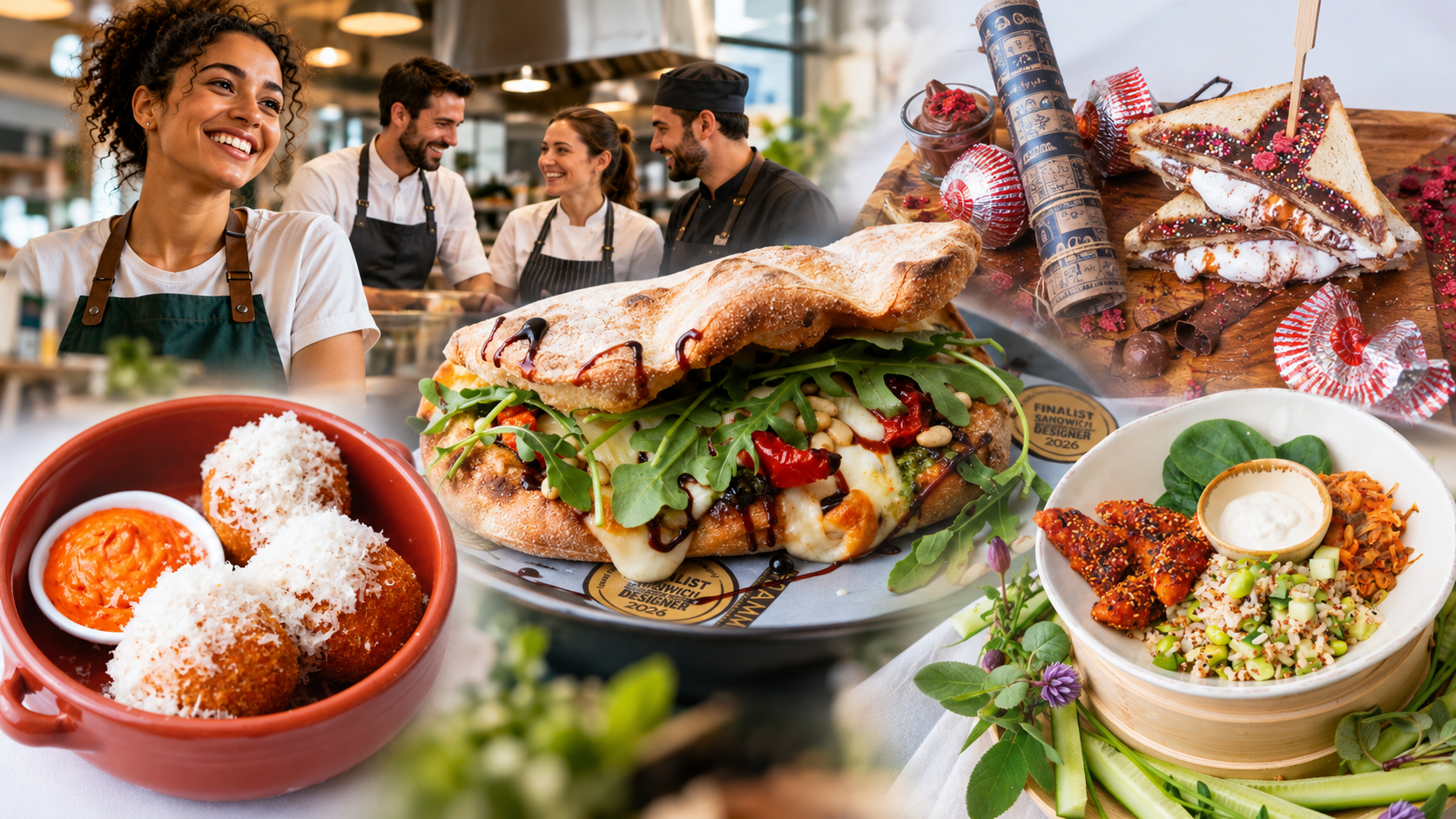

The sandwich is still there, but it sits alongside wraps, salads, sushi, pasta, bakery products, hot food, snacks and an ever-changing selection of meals designed to be eaten wherever the customer happens to be.
Food to go had become much bigger than a product category.
It was becoming a way of eating.
For an Association created around the sandwich industry, that presented an interesting question: where did the sandwich industry end and food to go begin?
Increasingly, there wasn't a sensible answer.
Following the industry
Many of the businesses represented by the British Sandwich Association were already operating far beyond sandwiches.
Manufacturers had diversified their ranges. Suppliers that provided ingredients, packaging, equipment or services to sandwich businesses were serving the wider chilled and food to go sectors. Retailers were thinking about complete meal solutions rather than individual product categories.
The market was evolving naturally and the Association needed to reflect the industry its members were actually operating in.
That was recognised formally when the organisation became the British Sandwich & Food to Go Association in 2015.
It was an important change, but it didn't mean leaving the sandwich behind.
Instead, it acknowledged that the expertise, standards and supply chains built around Britain's sandwich industry had become part of a much broader food to go market.
New products, familiar challenges
The products might have been changing, but many of the issues facing businesses were shared.
Food safety, labelling, legislation, employment, sustainability, technical standards and supply chain pressures rarely fitted neatly into a single product category.
Neither did the need for representation.
The Association's work increasingly reflected those common challenges, providing specialist support and bringing businesses together to tackle issues that affected the sector as a whole.
Sometimes that work happened largely out of public view.
At other times, circumstances put it firmly in the spotlight.
When a serious listeria outbreak linked to sandwiches supplied into hospitals raised questions about the safety of chilled food supplied to healthcare, the Association worked with the sector and other organisations to strengthen controls. This included the development of additional auditing requirements for businesses supplying chilled products into healthcare environments.
It demonstrated something important about the Association's role.
Setting standards isn't simply about writing guidance. It is about responding when circumstances change, learning from what happens and helping an industry put that learning into practice.
When the unexpected happens
That ability to bring businesses together became particularly important during the Covid pandemic.
Almost overnight, established patterns of work, travel and eating changed. Businesses throughout food to go faced enormous disruption, while manufacturers and suppliers had to deal with rapidly changing operating conditions and requirements.
The Association provided a route for information to move in both directions – helping members understand developments while communicating the industry's experience and concerns to government and other organisations.
It was an extreme example of something the Association had been doing throughout its history: helping businesses navigate challenges that are easier to address together than alone.
By now, the words "Food to Go" in the Association's name were doing increasingly heavy lifting.
The market had moved on again.
It was time for the Association to do the same.